
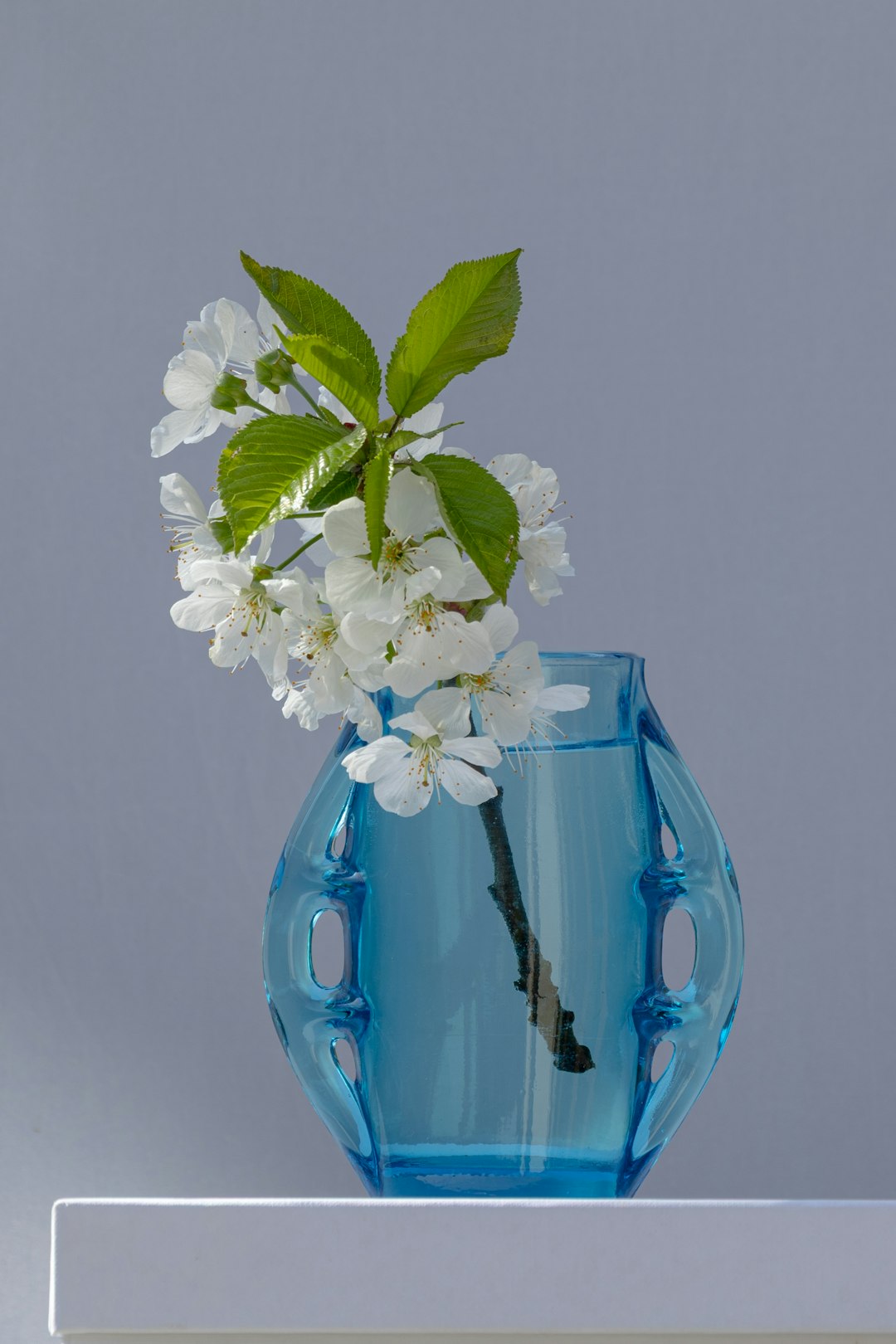
Leopard's bane, a captivating shade - loving perennial, graces gardens with its vibrant yellow daisy - like flowers in the spring. This plant, known scientifically as Arnica montana in some regions, offers a unique charm to any flower garden. Understanding the essential growing tips for leopard's bane is crucial for both novice and experienced gardeners alike.
### Ideal Growing Conditions
One of the most important aspects of growing leopard's bane is providing the right environment. As a shade - loving plant, it thrives in areas with partial to full shade. Direct sunlight, especially during the hot summer months, can be detrimental to its growth. It prefers well - drained soil that is rich in organic matter. A soil pH ranging from slightly acidic to neutral is ideal. You can amend the soil with compost or well - rotted manure before planting to improve its fertility and drainage.
### Planting Process
When it comes to planting leopard's bane, timing is key. The best time to plant is in the spring or fall. Start by digging a hole that is twice as wide and just as deep as the root ball of the plant. Place the plant in the hole, making sure the top of the root ball is level with the soil surface. Backfill the hole with soil and gently firm it around the base of the plant. Water thoroughly after planting to help the roots establish.
### Watering Requirements
Leopard's bane has moderate water needs. It is important to keep the soil consistently moist but not waterlogged. During the growing season, water deeply once or twice a week, depending on the weather conditions. In hot and dry weather, you may need to increase the frequency of watering. However, be careful not to overwater, as this can lead to root rot. A good way to check if the plant needs water is to stick your finger about an inch into the soil. If it feels dry, it's time to water.
### Fertilization
Fertilizing leopard's bane can help promote healthy growth and abundant flowering. Apply a balanced, slow - release fertilizer in the spring when new growth begins. Follow the instructions on the fertilizer package for the correct application rate. You can also supplement with a liquid fertilizer every few weeks during the growing season. Organic fertilizers, such as fish emulsion or seaweed extract, are also great options as they are gentle on the plant and the environment.
### Pruning and Maintenance
Pruning leopard's bane is relatively simple. After the flowers have faded, you can deadhead them to encourage more blooms. In the fall, cut back the foliage to the ground to prepare the plant for winter. This also helps prevent the spread of diseases. Additionally, keep an eye out for pests and diseases. Common pests that may affect leopard's bane include aphids and slugs. You can control aphids by spraying the plant with a strong stream of water or using an insecticidal soap. For slugs, you can use slug traps or barriers.
### Propagation
There are a few ways to propagate leopard's bane. One method is by division. In the spring or fall, carefully dig up the plant and divide the root ball into smaller sections. Each section should have at least a few healthy roots and shoots. Replant the divisions in suitable locations and water them well. Another method is by seed. Collect the seeds from the plant after the flowers have dried. Sow the seeds in a seed tray filled with a seed - starting mix. Keep the soil moist and place the tray in a warm, bright location. The seeds should germinate within a few weeks.
### Companion Planting
Leopard's bane can be paired with other shade - loving plants to create a beautiful and diverse garden. Good companion plants include hostas, ferns, and bleeding hearts. These plants have similar growing requirements and can complement each other in terms of color and texture. For example, the large, textured leaves of hostas can provide a nice backdrop for the delicate flowers of leopard's bane.
In conclusion, growing leopard's bane can be a rewarding experience. By following these essential growing tips, you can enjoy the beauty of its yellow daisy - like flowers year after year. Whether you are looking to add a splash of color to a shady corner of your garden or create a stunning flower bed, leopard's bane is an excellent choice.