
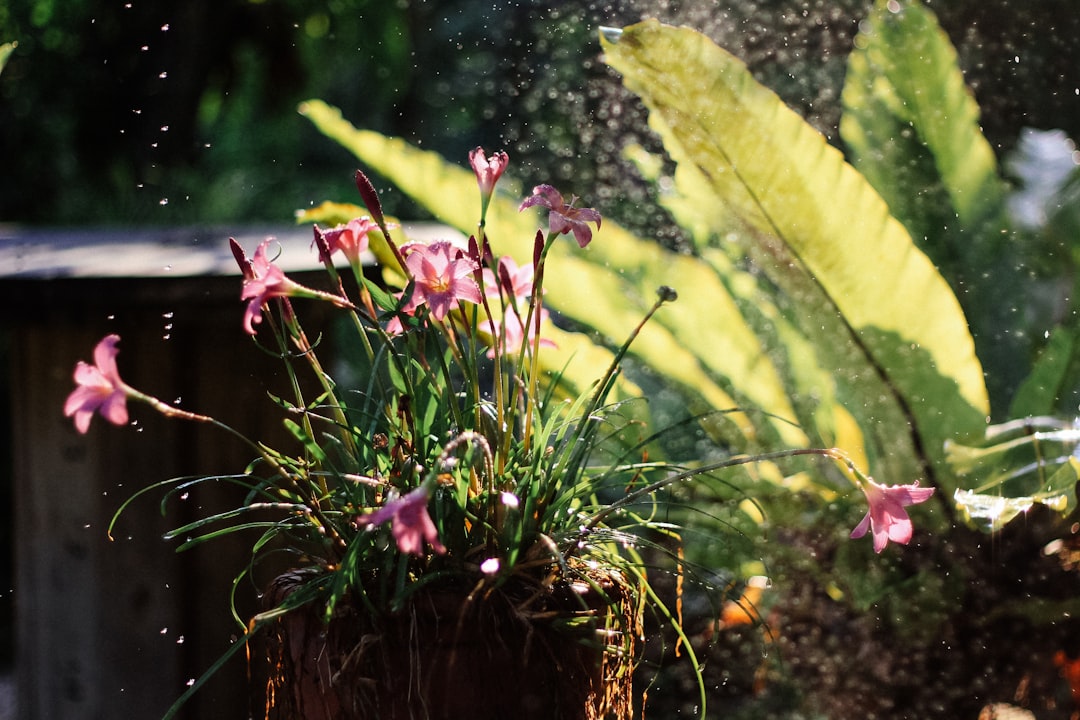
When it comes to creating a vibrant and long - lasting garden, perennials are the unsung heroes. These remarkable plants have the unique ability to come back year after year, offering a consistent display of color and charm. In this article, we'll explore the world of hardy perennials that can thrive in a wide range of environmental conditions, from full sun to partial shade, high heat, and even freezing temperatures.
One of the most amazing aspects of these perennials is their adaptability. Take, for example, the Coneflower (Echinacea). This popular perennial is not only beautiful but also incredibly tough. It can tolerate full sun, which means it can soak up those long summer days without wilting. The bright, daisy - like flowers come in a variety of colors, including purple, pink, and white, adding a splash of color to any garden. Even in high - heat situations, Coneflowers continue to bloom, attracting butterflies and bees with their nectar - rich flowers. And when winter rolls around, they go dormant, only to emerge stronger and more beautiful the following spring.
Another great example is the Daylily (Hemerocallis). Daylilies are known for their wide range of colors and their ability to grow in various soil types. They can handle both full sun and partial shade, making them a versatile choice for any garden. These perennials are also very heat - tolerant. During the hottest days of summer, they produce large, showy flowers that last for a single day, but new blooms keep coming, ensuring a continuous display of color. In colder climates, Daylilies can withstand freezing temperatures. Their underground rhizomes protect them from the cold, allowing them to survive and thrive year after year.
Hostas are yet another type of hardy perennial. While they are often associated with shade gardens, some varieties can also tolerate a bit of sun. Hostas are valued for their large, textured leaves that come in a variety of shapes, sizes, and colors, from deep green to variegated patterns. They are very adaptable to different soil conditions and can handle periods of drought once established. In the fall, their foliage may die back, but they will return in the spring, adding a touch of elegance to the garden. Even in areas with cold winters, Hostas can survive underground as long as the soil is well - drained.
Black - eyed Susans (Rudbeckia) are also a staple in many gardens. These cheerful yellow flowers with dark centers are a symbol of summer. They love full sun and can thrive in hot, dry conditions. Black - eyed Susans are very low - maintenance perennials. They can self - seed, which means they will often come back in greater numbers each year. In winter, they may die back to the ground, but their roots remain alive, ready to sprout new growth when the weather warms up.
When planning a garden with these hardy perennials, it's important to consider their spacing requirements. Each plant needs enough room to grow and spread. For example, Coneflowers should be spaced about 18 - 24 inches apart to allow for proper air circulation and growth. Daylilies can be planted a bit closer together, around 12 - 18 inches, depending on the variety. Hostas also need adequate space, especially the larger varieties, which may require 2 - 3 feet of space between plants.
Soil preparation is also crucial for the success of these perennials. Most of them prefer well - drained soil. Adding organic matter, such as compost or aged manure, to the soil can improve its structure and fertility. This will help the plants establish strong root systems and grow healthy. For perennials that prefer full sun, make sure the planting area gets at least 6 - 8 hours of direct sunlight per day. For those that can tolerate partial shade, a location with 3 - 6 hours of sunlight is ideal.
Watering is another important aspect of caring for these perennials. While they are hardy, they still need regular watering, especially during the first year of growth. Once established, many of these perennials can tolerate periods of drought. However, during long, dry spells, it's a good idea to give them a deep watering to keep them healthy and blooming. Fertilizing can also help these plants grow and flower better. A balanced, slow - release fertilizer can be applied in the spring to provide the necessary nutrients throughout the growing season.
In conclusion, these hardy perennials are a wonderful addition to any garden. Their ability to thrive in different sun exposures, high heat, and freezing temperatures makes them a reliable choice for gardeners of all levels. Whether you're a beginner or an experienced gardener, incorporating these perennials into your garden will ensure a beautiful and colorful display year after year.